
Split Payments for High-Ticket Items: Turning Too Expensive Into Let's Split It
Split payments reduce high-ticket checkout friction by letting groups fund one purchase together.

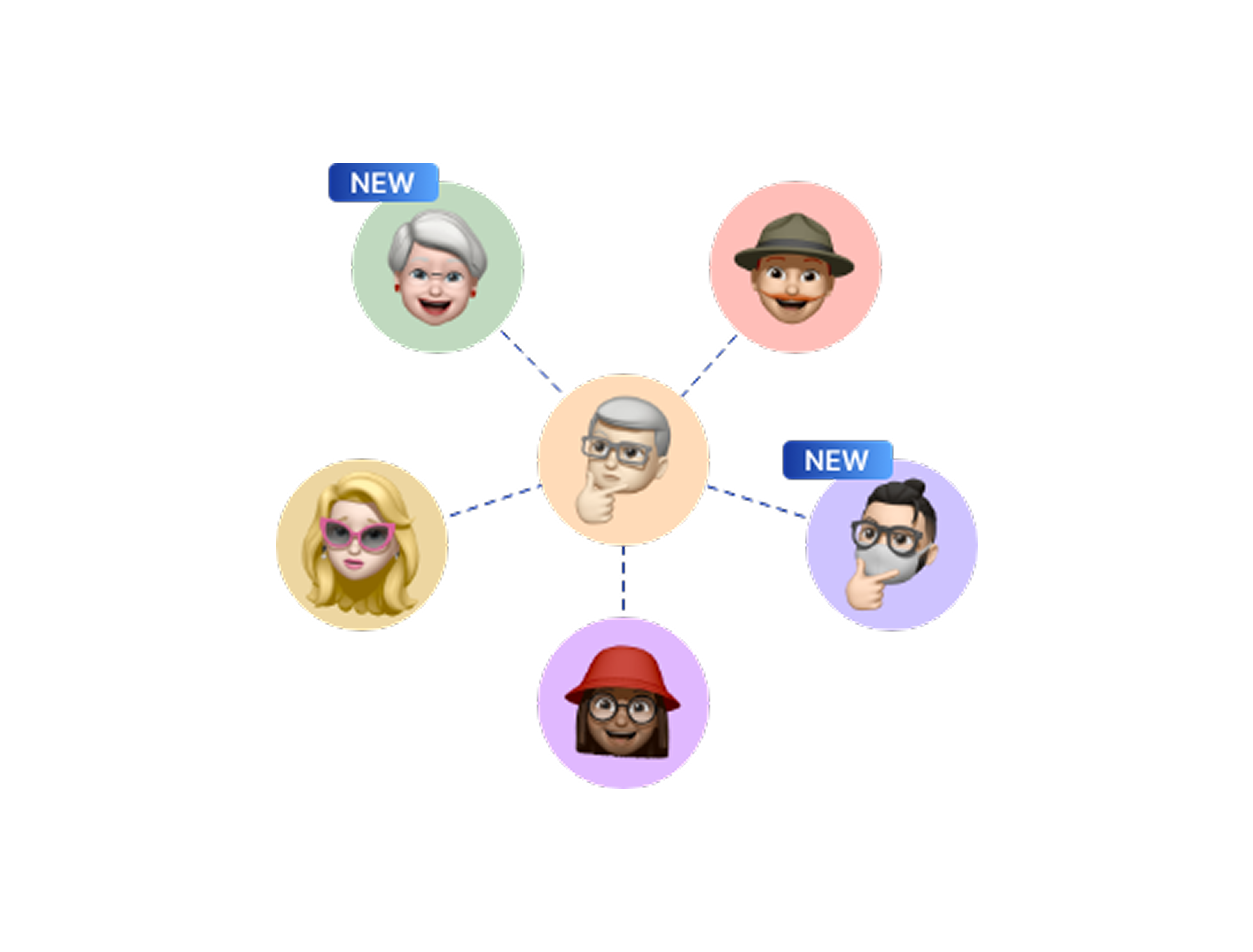
High-ticket items create a specific kind of checkout problem. Customers want the product, but the price triggers hesitation. A clear split payments flow changes that dynamic.
Split payments change that dynamic. They allow multiple people to contribute to one purchase inside a single checkout, turning too expensive into let's split it without the awkward reimbursement step.
If you sell high-ticket products or services, split payments can be one of the cleanest ways to reduce abandonment, increase conversion, and unlock new growth.
Why high-ticket checkout leads to abandoned carts
High-ticket checkout abandonment is not always about lack of interest. It is often about risk, fairness, and timing.
1) The upfront burden problem
One buyer has to cover 100 percent today, even when multiple people benefit. That feels unfair or risky.
2) The reimbursement friction problem
Customers often solve this by paying first and collecting later. In practice, that means delays, awkward conversations, dropouts, and lost momentum.
3) The decision coordination problem
High-ticket purchases frequently require agreement from others. Checkout becomes a negotiation, not a transaction.
The result is a motivated customer who leaves the checkout page and the sale evaporates.
What split payments do differently
A split payment flow lets multiple contributors fund one purchase:
- A lead customer starts the checkout
- They choose to split the total, equal or custom shares
- They share a link with contributors
- Each contributor pays their part
- The purchase completes when the total is reached or a threshold is met
This turns shared intent into structured payment without manual transfers or follow-ups.
When split payments are a perfect fit for high-ticket items
Split payments work best when the purchase is naturally shared, such as:
- Household purchases
- Group gifting
- Team and community purchases
- Friends buying together
- Membership bundles or packages
If customers already say send me the link or we will split it, your business is already a candidate.
Business benefits: why split payments increase high-ticket conversion
1) Convert price shock into shared commitment
When the cost is divided, each contributor feels a smaller, more reasonable commitment.
2) Reduce cart abandonment in shared purchase scenarios
Split payments let the lead payer proceed immediately while others contribute in parallel.
3) Increase speed to purchase
Instead of days of back and forth, contributors can pay within minutes.
4) Improve trust and transparency
A good split checkout shows total amount, who paid, what remains, and deadlines if any. That clarity reduces disputes and increases completion.
5) Turn one checkout into multiple customer relationships
In a normal purchase, you capture one customer identity. In a split payment purchase, you can capture multiple contributors' details with proper consent. That matters because high-ticket buyers often have high lifetime value.
How to design split payments for high-ticket checkout
Split payments can boost conversion if the flow is simple and confidence-building.
Make contribution frictionless
Contributors should be able to pay quickly without a heavy signup process.
Offer flexible splitting
High-ticket items are not always split evenly. Support equal split, custom amounts, and lead pays the remainder.
Set clear rules for completion
Choose a model that fits your business: pay and hold, threshold confirm, or a deadline-based flow.
Communicate what happens if someone does not pay
Options include order expiry, lead covers the remainder, or partial refunds or credits. Clear policy means higher completion.
Get consent right
If you capture contributor emails or phones for receipts and marketing, make it explicit and compliant.
What to track after launching split payments
- Checkout abandonment rate
- Completion rate of split sessions
- Time to complete funding
- Average number of contributors
- Repeat purchase rate from contributors
- Overall conversion rate on high-ticket products
The takeaway
High-ticket products do not always fail because customers do not want them. They fail because one-person checkout does not match shared decision-making.
Split payments transform the high-ticket moment from too expensive for me alone into let's split it and buy it now.
For businesses, that means improved conversion, reduced abandonment, faster purchase decisions, and multiple customer relationships from a single shared purchase.
If you are selling anything customers naturally share, split payments can turn price friction into growth. See the merchant guide or our services.